- Friday 1st of October 2021



Which Clinical Markers Show Improvement After Tadalista 40 Use?
Tadalista 40 contains tadalafil, a phosphodiesterase type 5 inhibitor commonly used for erectile dysfunction and sometimes for pulmonary arterial hypertension. Its effectiveness is usually reflected through several clinical and functional markers rather than traditional laboratory values.
One of the primary indicators of improvement is the International Index of Erectile Function (IIEF) score, a validated questionnaire that measures erectile quality, sexual satisfaction, and overall performance. Patients taking Tadalista 40 mg often show significant improvement in these scores.
Another important marker is erection hardness score (EHS), which assesses the firmness of erections. Many users report achieving stronger and more sustainable erections after treatment. Additionally, successful intercourse attempts and improved partner satisfaction are considered practical clinical outcomes.
In patients using tadalafil for pulmonary conditions, markers such as 6-minute walk distance (6MWD) and pulmonary vascular resistance may improve, reflecting better exercise capacity and heart-lung function.
Some studies also note mild improvements in endothelial function, linked to better blood vessel dilation due to increased nitric oxide activity. However, routine lab tests like liver enzymes or kidney markers typically do not change significantly unless other conditions are present.
Overall, the benefits of Tadalista 40 are mainly assessed through functional, symptom-based, and quality-of-life improvements rather than standard biochemical markers.
Latest News
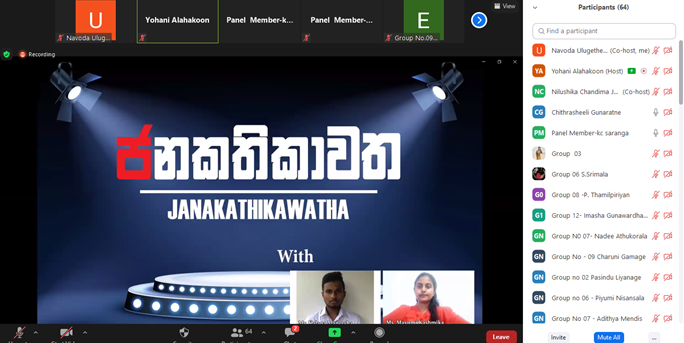
- Friday 1st of October 2021
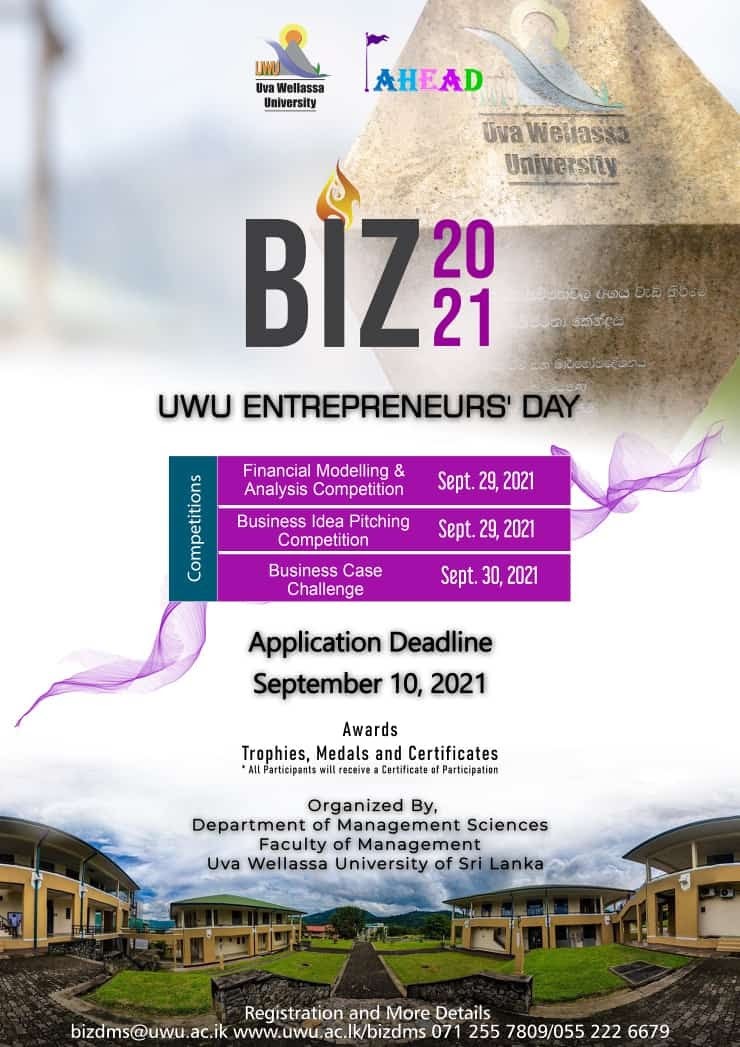
“BIZ 2021” Entrepreneurial Day competition
- Friday 1st of October 2021
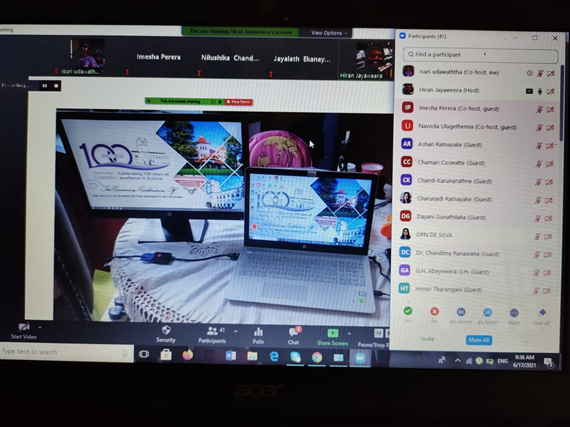
Workshop on modern assessment and the Use of Zoom Software in Learner-Centered Classroom (Academic staff)

- Friday 19th of March 2021
“Let’s Plant Trees for a Better Environment 2021”

- Friday 19th of March 2021
Biz 2020 – UWU Entrepreneurs’ Day

- Friday 19th of March 2021
Faculty of Management signs MoU with the Sri Lanka Institute of Marketing

- Friday 19th of March 2021
0 Replies:
Leave a Reply